

Core vs Headline Inflation — The Essential Difference
Learn why economists track two versions of inflation and how excluding volatile components reveals underlying economic trends.
Read ArticleFood and fuel prices swing wildly. Understand why economists exclude them from core inflation calculations and what this tells you about real price pressures in the Indian economy.

When you hear “inflation is 5.5%,” that number actually masks something important. Some prices are jumping 15-20% while others barely budge. Food prices — especially vegetables and cooking oil — can swing 30% in a single quarter. Fuel follows global oil markets that aren’t under India’s control.
That’s why economists talk about two inflation numbers. Headline inflation includes everything. Core inflation strips out food and fuel. Understanding the difference isn’t just academic — it helps you see what’s really happening with prices you actually pay.


Headline inflation includes every price change — groceries, fuel, clothes, housing, everything. It’s 6.2% in February 2026. That’s the raw number everyone hears.
Core inflation removes food and fuel. Why? These categories are too noisy. A bad monsoon or a spike in global crude oil shouldn’t dominate what we think about inflation trends. Core inflation shows the underlying price pressure — the stuff that actually reflects demand, wages, and economic momentum. Core inflation in February 2026 is 3.8%.
That 2.4 percentage point gap tells you something crucial: food and fuel are driving headline inflation up, but underlying price pressures are moderate. It’s the difference between a temporary shock and a real economic problem.
Food prices aren’t like manufactured goods. You can’t simply make more onions because demand went up. Crop cycles are fixed. Weather happens. A delayed monsoon can cut vegetable supply 40% in weeks. Prices don’t rise gradually — they spike.
Delayed rains, excess flooding, unseasonal frost — any weather event changes the harvest. It’s not a small adjustment. It’s structural.
You can’t store fresh tomatoes year-round. Harvest season prices plummet. Off-season prices soar. This creates natural volatility built into the system.
For items like edible oils and certain pulses, global prices matter. Exchange rates shift. Global supply tightens. Indian prices follow.

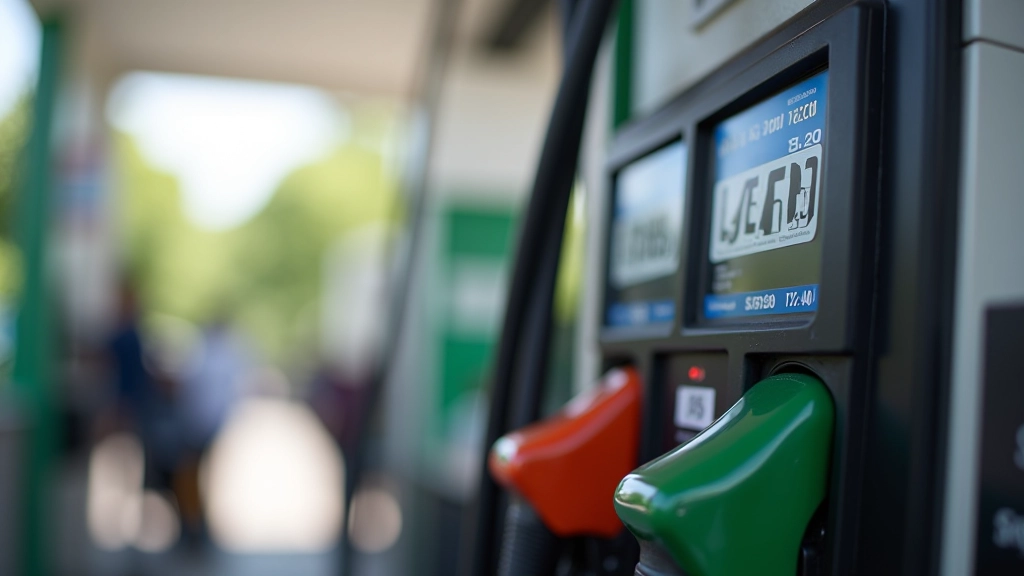
Fuel is worse. India doesn’t control global oil prices. The government keeps domestic fuel prices artificially stable (through subsidies and taxes), but that stability is a political choice, not an economic reality.
When crude oil went from $80 to $120 per barrel in 2022, petrol prices didn’t immediately triple — the government absorbed the cost. But that created fiscal pressure. When crude collapsed to $50 in 2020, fuel prices didn’t drop as much as they could have because the government was recovering lost revenue.
This makes fuel inflation unpredictable. It’s driven by geopolitics (Middle East tensions), production decisions (OPEC supply cuts), and government policy (subsidy levels) — not by Indian economic conditions. It’s external noise.
The RBI releases inflation data monthly. Search “Consumer Price Index India” on the RBI website or Reserve Bank of India official publications. Look for the CPI-Combined index (headline) and CPI-Core index.
Write down both: Headline inflation (includes food and fuel) and Core inflation (excludes them). The gap between them shows you how much volatility is affecting the headline number. A 2%+ gap usually means food/fuel are moving fast.
The report breaks down food inflation by vegetables, pulses, oils, dairy, meat. Vegetables might be up 25% while pulses are down 5%. This tells you where the pressure actually is — useful if you’re tracking your own spending.
One month’s number is noise. Look at the last 3-6 months. Is core inflation trending up or down? That’s what matters for understanding real economic pressure. Headline inflation jumping 1% in a month is usually food/fuel noise.

Don’t panic when headline inflation jumps. It’s usually food or fuel, and it’s temporary. Look at core inflation. That’s the real economic story.
When you hear “inflation is rising,” ask: Is it headline or core? If it’s just food/fuel spiking and core is stable, the RBI probably won’t raise interest rates aggressively. That affects savings rates, loan rates, and your financial decisions.
Understanding this distinction turns inflation from a scary headline into something you can actually analyze. You’re not just reading the number — you’re reading the story behind it.
This article is informational only and explains concepts related to inflation data and economic analysis. It’s not investment advice, financial guidance, or economic forecasting. Inflation data comes from official RBI sources and historical records. Economic circumstances vary by individual. For specific financial decisions, consult a qualified financial advisor or economist.